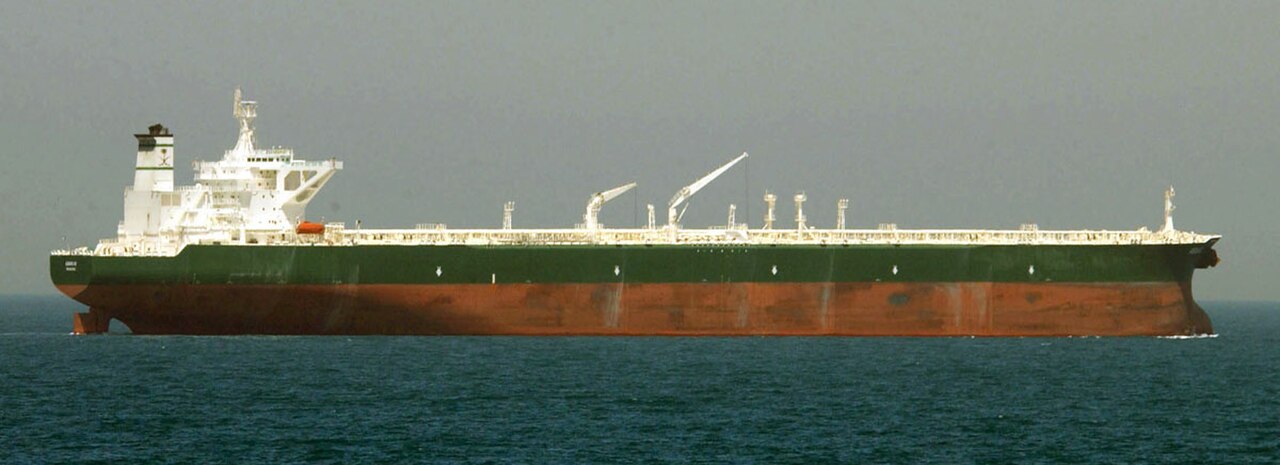
Wednesday, July 8, 2026, written pre-bell. The war is back, and it came back overnight in the most direct way it could. Late Tuesday US forces launched what Central Command called a series of powerful strikes on Iran, hitting more than 80 targets with precision munitions, air-defense sites, radar and command networks, and better than 60 Revolutionary Guard fast boats in and around the Strait of Hormuz. The trigger was Iran’s attack on three commercial vessels in the strait, the tanker fire this note flagged yesterday plus two more ships struck. President Trump declared the ceasefire finished, saying it is a waste of time dealing with Tehran, and the Treasury revoked the license that had let Iran sell oil on the world market, tearing up the core of June’s memorandum to end the conflict. Iran did not wait long to answer. The Revolutionary Guard acknowledged strikes on US installations in Bahrain, home to the Fifth Fleet, and in Kuwait, and Tehran is vowing a crushing response. US equity futures are lower across the board, with the Dow off about 480 points, the S&P down roughly 0.6 percent, and the Nasdaq 100 near 0.9 percent lower. Oil is up more than 5 percent, WTI above 74 dollars and Brent near 78. The overnight tape is a clean regime change from the grind-higher market of the past week into a live geopolitical shock.
Top Call: This Is a Stagflation Shock, Not a Fear Trade, and That Is the Dangerous Part
The one thing PMs need to carry into the open is what the cross-asset tape is actually saying, because it is not the usual war script. In a classic geopolitical scare you get lower equities, lower yields, higher gold, and a bid for anything safe. This morning you get lower equities and higher oil, but gold is down about 1.7 percent to 4,085, the 10-year has pushed up to 4.50 percent, and the dollar is bid near 101. That combination is not fear, it is stagflation. The market is telling you that a 5 percent oil spike into an already sticky inflation backdrop feeds the rate side of the ledger, not the safety side. Fed funds futures now put September hike odds near 58 percent, and a crude shock only pulls that number higher. This is the worst possible mix for the most crowded trade on the Street, the AI and chip complex, which is levered to cheap capital for a multi-year buildout and just spent a week getting sold on its own supply and valuation worries. Layer a war premium and a higher-for-longer rate path on top of that, and the leaders that led the tape up are the first source of funds on the way down. Our posture flips defensive for the session. Respect the oil bid rather than fade it, treat energy as the one place the war premium works in your favor, and do not step in front of chips until you see whether the strikes are a single retaliatory salvo or the start of a sustained exchange. The honest read is that we do not yet know which, and a pre-bell tape into 2pm minutes and an unfinished military exchange is not a tape to be a hero in.
Iran: The Off-Ramp Just Closed
The strategic picture changed overnight in a way the market had stopped pricing. For weeks crude and equities had leaned on the fragile understanding that was supposed to keep Hormuz open while indirect talks continued after the June memorandum. That understanding is gone. The US hit more than 80 targets, Iran struck back at the Fifth Fleet’s base in Bahrain and at US forces in Kuwait, and Parliament Speaker Qalibaf’s line that the era of bullying is over and we do not fold is the language of escalation, not de-escalation. The peace process was already on pause for funeral rites tied to Iran’s former supreme leader, and an exchange of this scale during that window makes the resumption of any technical round far less likely, not more.
Our take is that the market spent the spring learning to treat each Hormuz headline as noise that faded within a session, and it is about to relearn that a coordinated strike-and-counterstrike is a different animal. The strait is still physically open and tankers are still transiting, which is why crude is up 5 percent and not 20. But the risk distribution has fattened at the tail. The two live questions are whether Iran escalates from bases to shipping in a way that forces reroutes or war-risk insurance premiums, and whether the US commits to a sustained campaign rather than a one-off. Until those clear, we would keep position sizes smaller and hedges on, and we would not confuse a stable strait this morning with a stable strait this week.
Oil: The War Premium Comes Back to a Market That Priced a Glut
Crude is the cleanest expression of the regime change. WTI is above 74 and Brent near 78, both up more than 5 percent, extending Tuesday’s surge that began the moment word landed that the Treasury was pulling Iran’s export license. The move matters more because of where it started. Coming into this week the oil market was pricing an emerging glut and almost none of the war premium it carried in the spring. OPEC-plus had just raised quotas again by 188,000 barrels a day, Iranian barrels were flooding back under the now-revoked license, and Russian exports were near records. Crude was left for dead near four-month lows, which is exactly the setup where a supply shock has the most room to run because so little risk was in the price.
Now two forces collide. Reimposing the export ban removes a chunk of Iranian supply from the legitimate market at the same moment the physical waterway carrying a fifth of the world’s oil becomes a live combat zone. Our take is that this is a genuine repricing rather than a headline pop, and we would stay long energy as both a directional call and the cheapest hedge in the book against a chokepoint event. The bearish structural story, too much OPEC and Russian supply, has not vanished, and if the exchange proves brief, crude can give back much of this spike. But the asymmetry has flipped. A week ago the risk was that oil kept sliding on the glut. This morning the risk is a spike that a short, complacent market has to chase.
Chips: Higher Rates and a Fresh DeepSeek Threat Hit an Already Wounded Group
The semiconductor complex walks into this with no cushion. Tuesday it sold off hard again, with Micron down 4.7 percent and KLA, Marvell, Broadcom, and AMD all lower, on a one-two punch that has nothing to do with Iran and everything to do with the group’s own fault lines. First, reports that China’s DeepSeek is developing its own AI chip revived the demand-destruction fear that has haunted the trade since the Meta Compute reframe, the worry that the hyperscaler capex the whole complex is priced on could slow or route around the incumbents. Second, the same memory oversupply and valuation worries that drove the late-June rout never fully resolved, and Samsung’s blowout guide on Monday failed to lift the group, which told you the selling is about crowding, not demand.
Now add the macro overlay. If an oil-driven inflation impulse pushes the Fed toward a hike rather than the cut the jobs miss had revived, the cost of capital for a trillion-dollar, multi-year data-center buildout rises, and that hits the long-duration AI names hardest. Our read is unchanged in direction but sharper in tone. We stay constructive on the genuinely scarce parts of the stack, high-bandwidth memory and high-end storage where pricing power is real, and we stay cautious on the parts of compute that DeepSeek and Meta Compute suggest could commoditize. The one event that can turn this week’s positioning wobble structural is still Friday, when SK Hynix drops its roughly 29 billion dollar Nasdaq listing into the exact group fighting over supply. Fresh mega-cap memory paper into a jittery, war-rattled tape is a bad combination, and we would not want to be long the incumbents into that print without a hedge.
SpaceX: A Textbook Inclusion Fade Into the Wrong Tape
The SpaceX inclusion played out exactly as the base rate predicted. The stock joined the Nasdaq-100 on Tuesday and managed only about a 1 percent gain to 158.77, because the bulk of the roughly 4.3 billion dollars of forced QQQ and QQQM buying had already been done into Monday’s close and Tuesday’s open. That is the classic buy-the-rumor, sell-the-news signature we flagged yesterday, and it left the stock with little mechanical fuel left. Now the passive bid is spent, insider lockups begin to lift in the coming weeks, and the name has to trade on its own merits into a risk-off, war-driven tape rather than a melt-up. Our take is unchanged, this was a flow event to trade around and not a fundamental entry, and the setup from here is a thin float meeting a supply cliff at the exact moment the macro backdrop turned hostile to high-multiple growth. We would not chase it.
Macro: The Minutes Meet a War
The scheduled event today is the June FOMC minutes at 2pm Eastern, and the timing is almost cruel. Those minutes cover Kevin Warsh’s first meeting as chair, where the committee held at 3.5 to 3.75 percent, stripped its easing bias, and turned hawkish, with nine of eighteen participants penciling in at least one hike this year against eight for no change and one for a cut, and Warsh himself declining to submit a projection at all. The market had spent last week discounting that hawkish tilt as stale, because days after the meeting the June payrolls landed at just 57,000 against expectations near 115,000, with heavy downward revisions, and a September cut got priced back into the curve.
Overnight, the oil shock scrambled that story again. The 10-year is back to 4.50 percent, a two-week high, and September hike odds have climbed to roughly 58 percent, because a 5 percent crude spike is an inflation impulse the Fed cannot ignore. Our read is that the minutes themselves are backward-looking and the market may not care much about the words, but the framing around them has flipped hard. A week ago the debate was how many cuts. This morning it is whether an energy-driven inflation scare forces a hawkish Fed to lean against a weakening labor market, the textbook stagflation bind. That is a far more dangerous macro setup for risk assets than the dovish cut-hope tape we came in on, and it is the reason we would treat any knee-jerk equity bounce on dovish-sounding minutes with suspicion.
Asia and Europe: A Broad Risk-Off Overnight
Asia traded the war. With the US strikes hitting the tape during their session, the major benchmarks sold off across the board, the Nikkei 225 down roughly 2 percent off its record, the CSI 300 lower by about 1.6 percent, and Hong Kong’s Hang Seng down around 1.5 percent as higher oil and a stronger dollar pressured the region’s importers and exporters alike. Korea was again the swing factor, caught between a beaten-down memory complex and the same global risk-off, and the read across Asia was uniformly defensive rather than the split tape of the past week.
Europe opened lower in sympathy. The Stoxx 600 was down about 0.9 percent in early trade, with the DAX off roughly 1.2 percent, energy the only real pocket of green as crude ripped and airlines, autos, and rate-sensitive growth led the declines. The picture into the New York open is a genuinely synchronized global risk-off for the first time in weeks, oil up everywhere, equities down everywhere, and a dollar bid that is exporting tighter conditions to the rest of the world. That breadth of the selloff, after a week when the pain was concentrated in chips, is itself the signal that this is a macro event and not a sector story.
Geopolitical Tracker
US-Iran: The defining event. Overnight US strikes on more than 80 targets, including air defenses, command networks, and 60-plus Revolutionary Guard boats near Hormuz, drew Iranian counterstrikes on US bases in Bahrain and Kuwait. Trump has declared the ceasefire over and the Treasury has revoked Iran’s oil-export license, undoing the heart of June’s memorandum. Tehran is promising a crushing response. The strait remains open and tankers are still moving, but the diplomatic off-ramp has closed and the next 24 to 48 hours determine whether this is a contained exchange or the reopening of the war.
Ukraine-Russia: Structurally unresolved and fully overshadowed by the Gulf. Combat continues on the eastern axes and a pending US security-assistance package remains a live headline risk, while record Russian crude exports quietly complicate the global supply picture the Iran shock just tightened.
Taiwan Strait and South China Sea: A low-simmer coast-guard standoff with no fresh escalation, in the background while the market’s full attention swings to the Persian Gulf.
Quick Take: The Cross-Asset Tell (Pre-Bell)
| Asset | Move | What It Says |
|---|---|---|
| Oil (WTI/Brent) | +5%, $74 / $78 | War premium and export ban repricing |
| Gold | -1.7%, $4,085 | Not a fear bid; dollar and rates win |
| 10Y / 2Y | 4.50% / 4.10% | Oil feeds inflation, hike odds ~58% |
| Dollar (DXY) | +0.9%, 101 | Global tightening, pressure on risk |
Our Take: This is the opposite of a flight-to-safety print. Gold down, yields up, and a bid dollar alongside an oil spike is the market pricing a stagflation shock rather than a growth scare, and that is precisely the setup that punishes long-duration AI leaders and rewards energy. Trade the tape you have, not the safe-haven reflex you expect.
Quick Take: Semis Into the War (Chips)
| Item | Detail | Read |
|---|---|---|
| Tuesday close | Micron -4.7%; KLA, Marvell, Broadcom, AMD lower | No cushion into the shock |
| Fresh catalyst | Reports DeepSeek is building its own AI chip | Demand-destruction fear returns |
| Macro overlay | Oil spike lifts hike odds to ~58% | Higher cost of capital hits the buildout |
| Friday risk | SK Hynix ~$29B Nasdaq listing | New memory supply into a jittery group |
Our Take: The chips walked into the war already bruised by DeepSeek and their own supply worries, and a rate path bending back toward a hike is a direct hit to a trade priced on cheap capital. Stay long the scarce parts of the stack, high-bandwidth memory and high-end storage, and keep a hedge on into Friday’s SK Hynix supply cliff. The demand is fine; the crowding and the cost of money are the problem.
Key Events Ahead
| Date | Event | Why It Matters |
|---|---|---|
| Wed Jul 8 | June FOMC Minutes (2pm ET) | Hawkish hold meets an oil-driven inflation scare |
| Wed Jul 8 | US-Iran exchange develops | One salvo or a sustained campaign decides the week |
| Thu Jul 9 | Delta (DAL); Iran funeral rites end | Consumer read; talks were meant to resume after |
| Fri Jul 10 | SK Hynix ~$29B Nasdaq listing | Fresh mega-cap memory supply into a war tape |
| Mon Jul 14 | Big banks kick off Q2; June CPI | First fundamental verdict, now with an oil overlay |
Wednesday pre-bell note, July 8, 2026. The regime changed overnight. US forces struck more than 80 Iranian targets late Tuesday, air defenses, command networks, and 60-plus Revolutionary Guard boats near the Strait of Hormuz, after Iran attacked three commercial vessels in the strait. President Trump declared the ceasefire over and the Treasury revoked Iran’s oil-export license, undoing the core of June’s memorandum, and Iran answered with strikes on US bases in Bahrain and Kuwait while vowing a crushing response. Futures are lower across the board, the Dow off about 480 points, the S&P near -0.6% (7,509), and the Nasdaq 100 about -0.9%, after Tuesday’s close left the S&P at 7,503.85 (-0.45%), the Dow at 52,925.15 (-0.25%), and the Nasdaq Composite at 25,818.69 (-1.16%) on a chip selloff led by Micron (-4.7%) amid reports DeepSeek is building its own AI chip. Oil is up more than 5%, WTI above $74 and Brent near $78, but the real tell is cross-asset: gold fell to $4,085 (-1.7%), the 10-year rose to 4.50% and the 2-year to 4.10%, and the dollar bid to 101, a stagflation print rather than a fear bid, with September hike odds up to roughly 58%. Bitcoin slid about 3% to $61,700, testing $60K, and the VIX jumped to 17.4. Overnight, Asia sold off broadly, the Nikkei down ~2%, the CSI 300 ~1.6% lower, and the Hang Seng off ~1.5%, and Europe opened down, the Stoxx 600 ~0.9% lower and the DAX ~1.2%, with energy the only green. SpaceX’s Nasdaq-100 debut faded to a ~1% gain at $158.77 as the forced passive bid was spent. The scheduled focus is the June FOMC minutes at 2pm ET, covering Warsh’s hawkish hold at 3.5-3.75% with nine of eighteen dots leaning to a hike, now colliding with an oil shock. Ahead: Delta and the end of Iran’s funeral rites Thursday, SK Hynix’s ~$29B listing Friday, and Q2 bank earnings plus June CPI from July 14. For internal use only. Not investment advice.